
Understanding the Facebook Algorithm and How Tech Shapes Engagement

0 Comments
facebook

The Facebook algorithm has always been a mystery to many users. Yet behind the curtain, it’s a blend of data science, artificial intelligence, and user behavior tracking. Some still chase shortcuts like the top sites to buy Facebook likes, but the bigger story is how the platform’s tech actually controls what people see and how they interact with content. At its core, the algorithm is a recommendation engine. It decides who gets visibility and who slips into digital silence. To understand it is to understand how Facebook decides whose voice carries further in the online crowd. Here’s everything you need to know about the Facebook algorithm and what it means for content creators.

Artificial Intelligence at the Core

Artificial intelligence has become the backbone of Facebook’s engagement engine. Machine learning models analyze billions of interactions every day, sorting through likes, comments, and shares to predict what content a user might enjoy. The faster these systems learn, the more addictive the feed becomes. AI isn’t just guessing anymore. It looks at patterns like how long someone hovers over a post or how quickly they scroll past. These details give the system a sharper sense of interest, turning every tiny action into valuable data.

The Role of Personalization

Personalization drives user retention on the platform. Every feed is different, shaped by previous activity, group memberships, and even private messages. What one person sees as a trending meme might never show up for another. This hyper-individualized experience is where technology flexes its strength. Facebook engineers constantly refine how the system balances relevance with variety, trying to keep users entertained without making feeds feel repetitive. The trick is making people feel like the platform reads their mind, even though it’s just reading their habits.

Video and Live Content Priority
phone video

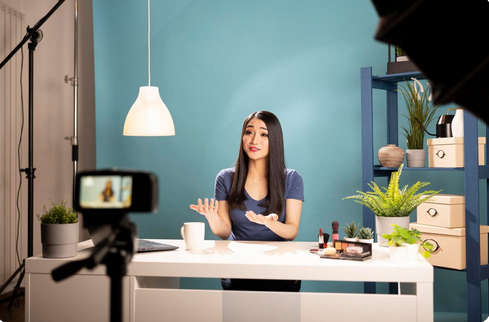
Video content has been on the rise for years, but live streaming holds special weight in the algorithm. Facebook gives live sessions extra visibility, partly because they keep viewers engaged longer. The interaction—comments, reactions, real-time chats—adds to the value score that boosts reach. The technology behind live prioritization isn’t just about pushing streams higher. It’s also about stabilizing video quality, handling massive viewer spikes, and ensuring low-latency interactions. For creators, this means that going live often is a surefire way to climb the ranking ladder.

User Feedback Loops

What people say about content also shapes how far it travels. Facebook now includes surveys and quiet signals like “show fewer posts like this” as part of its scoring system. These direct and indirect cues teach the algorithm what to reward and what to bury. But feedback loops cut both ways. A single wave of negative signals can tank the visibility of a page, even if the content is otherwise solid. This is why creators often pay close attention to tone, timing, and consistency, knowing the system is always watching.

The Facebook algorithm in 2025 is less about guesswork and more about tech precision. AI, personalization, video prioritization, and user feedback combine to build a system …


Tips to Ensure Your Video Content Meets Algorithm Preferences

0 Comments
phone

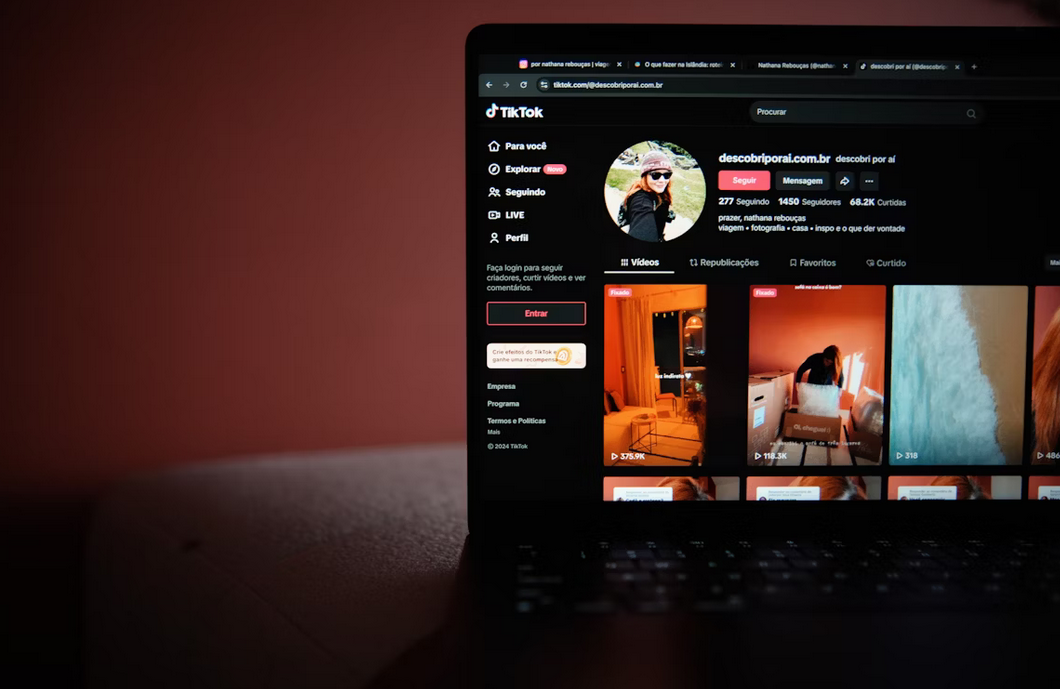
Are your videos struggling to gain traction, even when the content feels strong? Digital platforms rely on complex algorithms to decide which videos get promoted and which stay hidden. Understanding how to align with these algorithm preferences can dramatically improve your visibility. If you’re producing videos on TikTok like educational tutorials, product reviews, or social media growth content, learning how these systems work is key. But if you are a new TikTok creator looking for an extra push, buying TikTok views is an option. When doing so, you should consider the safest sites to buy TikTok views. Below are tips to focus on practical, tech-driven steps to make your videos more algorithm-friendly.

Start Strong in the First Few Seconds

Algorithms pay close attention to audience retention rates. If viewers drop off in the first few seconds, your content may get shown to fewer people. Begin your videos with a clear hook—something intriguing, visually appealing, or thought-provoking—to keep people watching. Short intros work better than long openings. Use dynamic visuals, bold text overlays, or quick questions to grab attention instantly.

Optimize Titles and Descriptions with Keywords

screen

Platforms like YouTube, TikTok, and Instagram often scan your titles and descriptions to determine relevance. Research high-traffic keywords related to your topic and include them naturally. Avoid keyword stuffing, that can hurt both search ranking and viewer trust. In descriptions, provide concise yet informative text that explains the video’s value. This helps algorithms match your content to the right audience.

Maintain Consistent Posting Frequency

Most algorithms reward creators who post regularly. Consistency signals that your channel or profile is active, encouraging the platform to distribute your videos to a wider audience. This doesn’t mean you need to upload daily. Instead, set a realistic schedule—whether weekly, twice a week, or biweekly—and stick to it. Over time, algorithms may favor your content over sporadic uploads.

Use High-Quality Thumbnails and Captions

Thumbnails act as the visual “cover” of your video, influencing click-through rates. Create clear, eye-catching images with minimal text so they are readable even on smaller screens. Captions serve a double purpose: they make your videos accessible to more viewers, and they provide algorithms with additional context. Platforms often scan caption text, so including relevant phrases can help your video surface in searches.

Analyze and Adjust Based on Performance Data

data

The most effective ways to align with algorithm preferences is to track your video performance and adjust accordingly. Use analytics tools that are provided by the platform to measure watch time, retention, click-through rate, and engagement. If a certain type of video consistently performs better, create more content following that style. On the other hand, if a format underperforms, experiment with new approaches to see what resonates with both your audience and the algorithm.

Engage Viewers with Interactive Elements

Algorithms prioritize videos with higher engagement—likes, comments, shares, and watch time. Prompt viewers to interact by asking direct questions, encouraging them to leave opinions, or adding polls in supported platforms. Responding to comments within the first few …